
How much fiber do we need daily?
Fiber has become a popular topic in discussions about gut health. While many people believe they are eating enough fiber, research shows otherwise. According to the 2009-2010 National Health and Nutrition Examination Survey (NHANES), the average American consumes only 16 grams of fiber per day — far below the recommended amount. This suggests that most Americans are not meeting the fiber intake necessary for optimal health. In this post, we’ll answer the question: "How much fiber do we need daily?". We'll also explore the benefits of fiber and how to incorporate fiber-rich foods into your diet.
What Is Fiber?
Fiber is a type of carbohydrate found in plant-based foods that is not easily digested in the small intestine. There are two main types of fiber:
Soluble Fiber: Dissolves in water and forms a gel-like substance, helping to soften stool.
Insoluble Fiber: Does not dissolve in water and adds bulk to stool, promoting regular bowel movements.
Our bodies need both types of fiber to support digestion and overall health.
Benefits of Fiber for Health
Adding enough fiber to your diet offers numerous benefits:
Supports Gut Health: Good bacteria in the large intestine feed on dietary fiber, producing short-chain fatty acids like butyric acid, which help maintain colon health and reduce inflammation.
Promotes Healthy Digestion: Fiber helps regulate bowel movements and prevents constipation.
Supports Immune Function: Short-chain fatty acids enhance the immune system and may protect against colon cancer.
Manages Blood Sugar Levels: Fiber slows digestion, preventing spikes in blood sugar levels.
Aids in Weight Management: High-fiber foods promote a feeling of fullness, making it easier to control calorie intake.
How Much Fiber Do We Need Daily?
According to the Dietary Guidelines for Americans, daily fiber needs vary by age and gender:
Men (18–50 years): 31–34 grams
Men (over 50 years): 28 grams
Women (18–50 years): 25–28 grams
Women (over 50 years): 22 grams
Children (under 18 years): Less than 25 grams
Most people fall short of these recommendations, making it important to intentionally include fiber-rich foods every day.
High-Fiber Foods to Include in Your Diet
It's important to remember that fiber can be found in various foods, so it's best not to stick to one type of food. However, some foods are known for being high in fiber.
Beans and Legumes: Beans and Legumes like lentils, chickpeas, black beans, and split peas are a great source of fiber. For example, Lentils contain both insoluble and soluble fiber. It's also a great source of protein and can easily be used in recipes as a main dish, like lentil soup, or a side, like lentil curry.
Fiber amount: 1 cup of lentils, boiled = 15.5 g of dietary fiber
Tip: Add lentils to soups, stews, or salads for a fiber boost.
Fruits: Some fruits with digestible skins can be very high in fiber. A few examples are pears, apples, and raspberries. Avocados are another example of a high-fiber food botanically classified as a fruit. Avocados are rich in fiber, omega-3 fats, and potassium. Raspberries can be added to smoothies, or used as a fresh topping for oatmeal.
Fiber amount: 1 cup raspberries, fresh = 8 g of dietary fiber OR 1/2 avocado, fresh = 6.7 g of dietary fiber
Tip: Blend berries into smoothies or use avocado on toast.
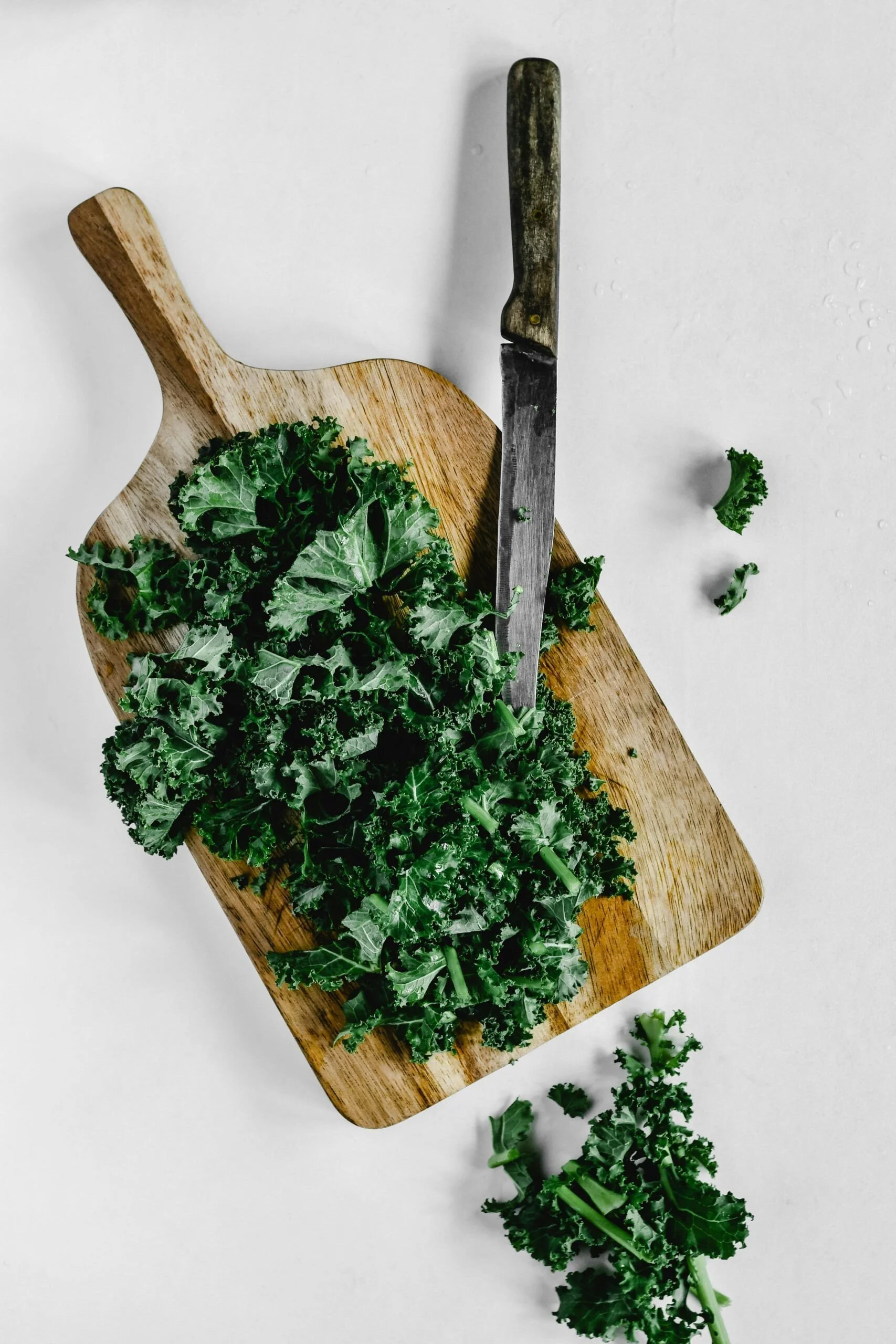
Vegetables: Vegetables such as artichokes, kale, pumpkin, chayote squash (known by Caribbeans as cho-cho), and okra are high in fiber. Another example of a high-fiber vegetable is collard greens, a southern favorite. Collard greens are a good source of potassium, folate, and Vitamins C & K.
Fiber amount: 1 cup collard greens, cooked = 8 g of dietary fiber
Tip: Roast vegetables or add them to stir-fries for extra fiber.
Whole Grains: Grains are often overlooked for their fiber quality. However, most nutritional guidelines recommend whole grains because of their high fiber qualities, among other nutrients. Foods such as bran flakes, quinoa, oatmeal, and whole wheat/multigrain bread are great sources of fiber.
Fiber amount: 1 cup quinoa, cooked = 5 g of dietary fiber
Tip: Start your day with a bowl of oatmeal or use quinoa as a base for salads.
How to Gradually Increase Fiber in Your Diet
If you are not used to eating high amounts of fiber, introduce it slowly to prevent gas and bloating. Here’s a sample meal plan for a high-fiber day:
Breakfast: 1 slice of whole wheat toast (2g fiber), 1/2 avocado, mashed for spreading (6.7g fiber), 2 egg omelet with 1 cup cooked spinach (2g fiber)
Lunch: 1 cup chickpeas (4g fiber), 1/2 cup cucumbers (0.3g fiber), 1/2 cup chopped cherry tomatoes (5.5g fiber), 1/2 cup quinoa (2.5g fiber), 1 tbsp feta cheese, 1 tbsp olive oil, 2 tbsp lemon juice, salt and pepper
Dinner: 1 medium sweet potato, baked with skin (5.25g fiber), 1 cup brussel sprouts, roasted (4.5g fiber), 1/2 cup black beans (6g fiber), 1 cup tofu, baked (5.8g fiber), 2 tbsp BBQ Sauce
Total Fiber Intake: Approximately 43.85g
Final Thoughts: Meeting Your Daily Fiber Needs
Ensuring you meet your daily fiber needs is crucial for maintaining gut health, supporting digestion, managing blood sugar levels, and achieving a healthy weight. Gradually increase your fiber intake with a variety of plant foods, and you'll be on your way to better health.